
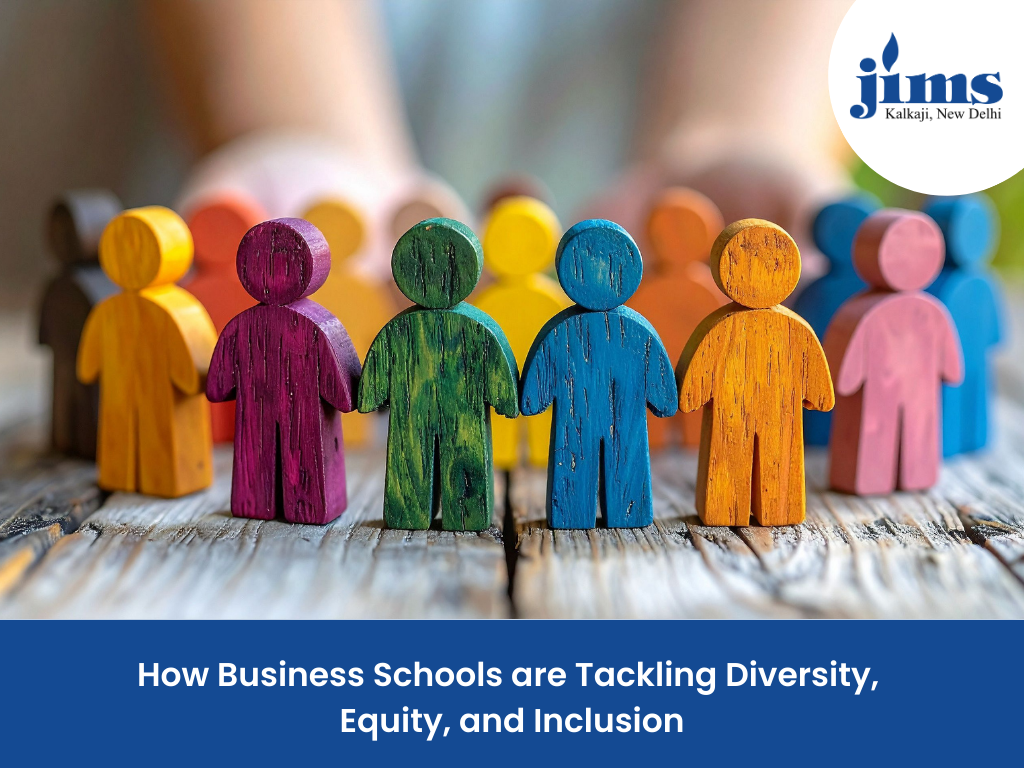
In recent years, diversity, equity, and inclusion (DEI) have become increasingly important topics in every sector, and business schools are no exception. With the world becoming more interconnected, and workplaces becoming more diverse, ensuring that business schools foster environments that embrace these principles is critical. The role of business education is not just to prepare students for professional success but also to help them understand and navigate the complex social landscapes that impact their careers.
Business schools around the globe, such as Jagannath International Management School, the best B school in Delhi have recognized the need to ensure that their environments reflect a variety of perspectives, experiences, and identities. This commitment to DEI is no longer just a moral imperative, but also a strategic one, as organizations are increasingly seeking diverse leaders who can innovate, collaborate, and lead teams with empathy and understanding. So, how are business schools tackling diversity, equity, and inclusion, and why is it so important?
The Importance of Diversity, Equity, and Inclusion in Business Education
Before diving into the specific actions that business schools are taking, it’s important to understand why DEI is so crucial in business education. Diversity refers to the presence of differences in terms of race, gender, socioeconomic background, culture, and more. Equity, on the other hand, is about providing equal opportunities for all individuals, ensuring that everyone has access to the same resources and support, regardless of their starting point. Inclusion goes one step further by actively creating environments where all individuals feel respected, valued, and able to contribute fully.
A diverse, equitable, and inclusive learning environment benefits business schools in several key ways:
-
Encourages Innovation: Diversity brings together a variety of perspectives, which is essential for creative problem-solving and innovative thinking. By exposing students to a variety of cultural and social viewpoints, business schools prepare them for the challenges they’ll face in a globalized marketplace.
-
Prepares Future Leaders: Today’s business leaders must be able to manage and lead diverse teams effectively. Training in an inclusive environment helps students develop the emotional intelligence and leadership skills necessary to succeed in a global workforce.
-
Fosters a Collaborative Atmosphere: Equity and inclusion help build a supportive environment that enables all students to succeed. A collaborative atmosphere fosters peer learning and growth, which is vital in business education.
-
Reflects Societal Values: As societal awareness of social justice issues grows, there’s an expectation for educational institutions to mirror those values. Business schools have the power to shape future leaders who will advocate for diversity and inclusion in their professional and personal lives.
Key Initiatives and Strategies for Promoting DEI in Business Schools
a) Curriculum Redesign: Integrating DEI into Business Education
One of the most effective ways business schools are addressing diversity, equity, and inclusion is through their curriculum. Many business schools have taken significant steps to integrate DEI principles into their core courses and electives. This includes:
-
Inclusive Leadership Courses: These courses teach students how to manage and lead diverse teams effectively, highlighting the importance of understanding different cultural, gender, and socioeconomic dynamics. Topics such as unconscious bias, conflict resolution, and creating inclusive workplaces are common themes.
-
Ethics and Social Responsibility: Business schools are increasingly incorporating lessons on corporate social responsibility (CSR) and ethics that emphasize the importance of fairness, equity, and social justice in business practices.
-
Case Studies on DEI: Business schools are also incorporating case studies on diversity, equity, and inclusion challenges that businesses face. These real-world examples allow students to understand the complexities of managing diverse teams, navigating global markets, and promoting social equity in business.
b) Scholarships and Financial Aid for Underrepresented Groups
Another vital initiative to promote diversity in business schools is through financial support. Many business schools have established scholarships and financial aid programs to help students from underrepresented backgrounds access education. These initiatives often focus on:
-
Underrepresented Minority Groups: Scholarships for students of color, women in business, and students from low-income backgrounds provide them with the opportunity to pursue a high-quality business education that they may otherwise be unable to afford.
-
Partnerships with Non-Profits: Business schools are increasingly collaborating with non-profit organizations to support diversity in education, often offering scholarships, mentorship programs, and career coaching for underrepresented students.
c) Faculty and Staff Diversity
Diversity among faculty and staff is another key area of focus for business schools aiming to build inclusive environments. A diverse faculty not only serves as role models for students but also brings a wealth of different perspectives and teaching styles that benefit the learning experience. Business schools are working to:
-
Recruit Diverse Faculty: Many schools are prioritizing the recruitment of faculty from diverse backgrounds, ensuring that students have access to a wide range of expertise, experiences, and viewpoints.
-
Support Faculty Development: Programs to support and retain diverse faculty are equally important. These initiatives may include mentorship programs, leadership training, and creating a supportive environment for faculty from diverse backgrounds to thrive.
d) Fostering an Inclusive Campus Culture
Creating an inclusive campus culture is essential to ensuring that students from all backgrounds feel welcome and valued. Business schools are making conscious efforts to:
-
Student Resource Groups: Many schools have established student resource groups and affinity networks for underrepresented groups, such as women in business, students of color, and first-generation college students. These groups provide a safe space for students to share experiences, seek support, and connect with others facing similar challenges.
-
Inclusive Events and Activities: Schools are organizing events that celebrate diversity, such as cultural nights, DEI workshops, and speaker series featuring leaders from diverse backgrounds. These events create awareness, celebrate differences, and provide students with the tools they need to navigate diverse environments.
-
Bias and Sensitivity Training: Business schools are increasingly incorporating training programs for both students and faculty on issues such as unconscious bias, cultural sensitivity, and inclusive communication. These programs ensure that everyone on campus is equipped to contribute to a positive and inclusive environment.
e) Building a Global Network
Business schools are leveraging their global networks to promote DEI across borders. Many institutions partner with universities, corporations, and NGOs in different regions to offer international experiences for students. These global opportunities allow students to gain exposure to diverse cultures, perspectives, and business practices, preparing them for the increasingly interconnected world.
International student exchange programs, internships, and collaborative projects with businesses in different countries not only enhance the global understanding of students but also increase their cultural competency, which is crucial in today’s business world.
Challenges and Areas for Improvement
While significant progress has been made, business schools still face challenges in fully integrating diversity, equity, and inclusion into every facet of their programs. Some of these challenges include:
-
Resistance to Change: Some institutions may face resistance to changes in traditional ways of teaching, or to initiatives that promote diversity in faculty recruitment or admissions. Overcoming institutional inertia requires commitment at all levels, from leadership to faculty.
-
Ensuring True Equity: Providing scholarships and financial aid is a step in the right direction, but true equity requires addressing the systemic barriers that underrepresented students face, both in accessing education and in finding success once they’re enrolled.
-
Measuring Progress: Business schools need to develop better tools to assess the impact of their DEI initiatives. Gathering data on the diversity of faculty, student bodies, and alumni networks, as well as tracking outcomes like job placements and career advancement for underrepresented students, can provide valuable insights into the effectiveness of their efforts.
The Road Ahead: A Commitment to Long-Term Change
Business schools have a critical role to play in shaping the future of business leadership. By continuing to prioritize diversity, equity, and inclusion, they can create an environment where all students—regardless of their background—can thrive and become leaders in their communities and industries. The work is ongoing, but as more business schools focus on DEI, they are helping to create a more inclusive and just world for the next generation of business leaders.
In conclusion, tackling diversity, equity, and inclusion in business schools is not just about fulfilling a moral obligation; it’s about preparing students to excel in the diverse, interconnected world of business. With continued effort and commitment, business schools can ensure that they remain at the forefront of shaping leaders who are not only skilled in business but also empathetic, fair, and dedicated to creating positive change.
